
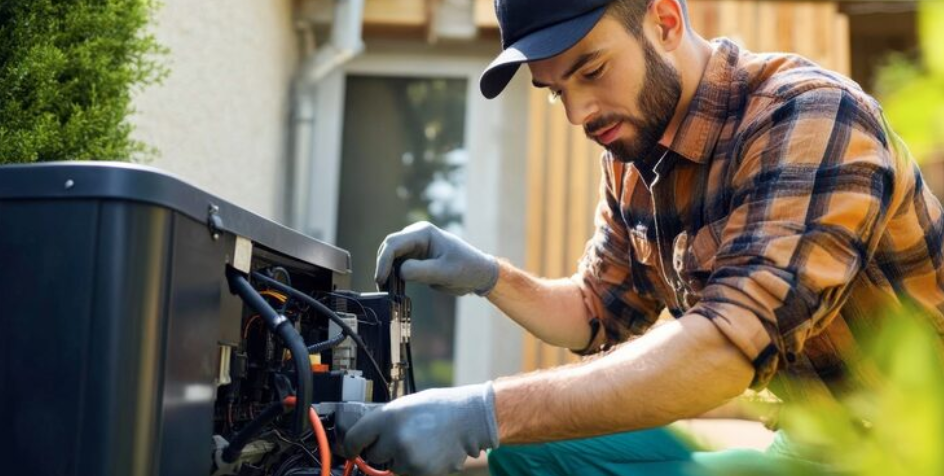
A generator can be a valuable addition to any home, especially when unexpected power outages interrupt daily life. It can keep essential appliances, lighting, heating, cooling, and other important systems running. However, installing a generator requires careful electrical work and proper safety measures. Professional residential electricians can help homeowners handle this process correctly. From choosing the right equipment to completing the connections, their expertise can make generator installation safer and more reliable.
Understanding the Role of Residential Electricians
Residential electricians play an important role in making sure a generator is safely connected to your home’s electrical system. They can inspect your current wiring, electrical panel, and circuits before installation begins. This helps them understand your home’s power needs and identify any electrical issues that should be addressed first.
They can also recommend a suitable generator based on the amount of power your household requires. By working with qualified residential electricians, homeowners can avoid incorrect connections and other problems that could affect the performance of the generator.
Choosing the Right Generator
Every home has different electrical needs, so selecting the right generator size is important. A generator that is too small may struggle to operate essential appliances, while one that is too large may increase costs unnecessarily.
An electrician can assess which appliances and systems you want to operate during an outage. They can then help determine an appropriate generator capacity. Proper sizing is an important part of a successful generator system installation because it allows the equipment to work efficiently without unnecessary strain.
Preparing Your Electrical System
Before connecting a generator, your home’s electrical system may need to be inspected and prepared. An electrician can examine the main panel, wiring, breakers, and other components to make sure they can safely support the generator.
If outdated or damaged components are found, they can recommend suitable repairs or upgrades. Taking care of these issues before installation can improve safety and help prevent electrical problems in the future.
Installing a Transfer Switch
A transfer switch is an important component of many generator systems. It allows the home’s electrical supply to switch safely between utility power and generator power.
Residential electricians can install the appropriate transfer switch and connect it correctly to the electrical panel. This helps prevent dangerous backfeeding, which can put utility workers and household members at risk. Proper installation also allows the generator to provide power to selected circuits without creating unnecessary electrical hazards.
Completing Safe Electrical Connections
Generator installation requires several precise electrical connections. These include wiring, grounding, breakers, and connections between the generator and the home’s electrical system. An experienced electrician understands how these components should work together.
During a generator system installation, professional electricians can follow appropriate safety practices and electrical requirements. Their work can reduce the risk of electrical shocks, equipment damage, overheating, and other potential problems.
Testing the Generator
Once the installation is complete, the system should be tested carefully. An electrician can start the generator, check the transfer switch, and confirm that the selected circuits receive power correctly.
Testing helps identify installation issues before an actual outage occurs. It also gives homeowners greater confidence that their backup power system will operate when it is needed.
Maintaining Your Backup Power System
Even a properly installed generator needs regular attention. Electrical connections, switches, breakers, and other components should be inspected periodically. Residential electricians can help identify signs of wear or electrical problems and recommend necessary maintenance.
Regular professional checks can help extend the useful life of the system and keep it ready for unexpected power interruptions.
Conclusion
Installing a home generator involves more than simply placing the equipment outside and connecting a few wires. Professional residential electricians can assess your electrical needs, prepare the system, install essential components, and test the equipment for safe operation. With proper generator system installation and ongoing maintenance, homeowners can enjoy a dependable source of backup power and greater peace of mind during unexpected outages.