
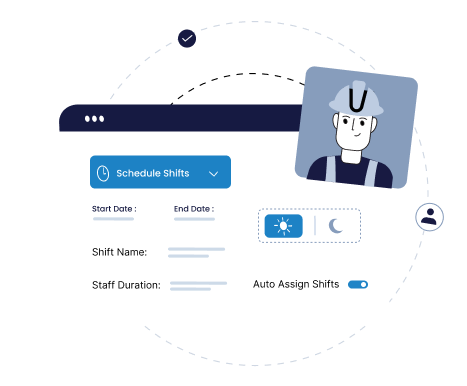

Recent internal memos at AT&T have spotlighted the Shift App AT&T as a cornerstone of employee scheduling, drawing fresh attention amid ongoing workforce adjustments in the telecom sector. Managers in retail outlets report heavier reliance on its tools for handling variable demand, especially as holiday staffing pressures ease into early 2026. The app surfaces in daily operations across stores from coast to coast, where shift coordination directly impacts service delivery. Employees note quicker resolutions to availability conflicts through its interface, fueling discussions in team huddles and break rooms. This renewed focus comes as AT&T refines operations post-restructuring, with the Shift App AT&T emerging as a practical fix for scheduling bottlenecks that have long plagued large-scale retail networks. Public records show no major overhauls announced, yet usage logs indicate steady climbs in adoption rates quarter over quarter. Frontline workers describe it handling everything from last-minute swaps to time-off approvals without the old phone tag. Broader curiosity builds around how such digital shifts alter daily rhythms in high-turnover environments like telecom retail.
Core Scheduling Mechanics
Real-Time Shift Viewing
Employees log into the Shift App AT&T to pull up their weekly lineup at a glance, color-coded for quick scans. Shifts populate based on manager inputs, factoring store traffic forecasts and labor budgets. A glance reveals overlaps or gaps before they hit the floor. Notifications ping for any tweaks, keeping staff synced without constant check-ins. Retail leads praise this for cutting down on no-shows during peak evenings. The dashboard layers in location details, so transfers between nearby outlets show up seamlessly. Workers in busier urban spots find it indispensable for juggling multiple sites. No more printed rosters taped to walls—everything lives in pockets now. Adjustments roll out faster than email chains ever could.
Shift Assignment Processes
Managers build schedules in the Shift App AT&T by dragging slots to names, weighing skills against projected footfall. Availability bids from employees feed into the algorithm, prioritizing volunteers for overtime. Conflicts flag automatically, prompting quick reallocations. Weekend warriors get first dibs on premium hours, balancing equity across the team. The system logs reasons for every move, aiding audits down the line. Store directors tweak templates weekly to match seasonal swings. Employees see pending assignments hours before final lock-in, allowing early flags. This methodical build-up minimizes last-second scrambles. Data from high-volume locations underscores fewer coverage holes since rollout.
Availability Input Methods
Staff punch in preferences via the Shift App AT&T days ahead, selecting blocks they’re free or blocked. Recurring patterns—like school nights off—save as defaults for future pulls. Managers review submissions in bulk, approving most to foster goodwill. Sudden changes, like sick kids, trigger instant updates with manager notes attached. The app timestamps everything, building a trail for disputes. Part-timers lean on this for stacking hours without burnout. Full-timers use it to carve out family windows amid erratic demands. Integration with personal calendars prevents double-books. Response rates hover high, as denials come with explanations tied to business needs.
Notification Delivery Systems
Pushes from the Shift App AT&T hit phones within seconds of changes, detailing what shifted and why. Opt-ins control volume, from bare essentials to full chatter. Managers broadcast store-wide alerts for weather closings or surges. Employees confirm reads, closing loops efficiently. Sound cues differentiate urgent swaps from routine reminders. Battery drain stays low, thanks to optimized delivery. Night owls appreciate silent modes that vibrate only for criticals. Data shows opens cluster right after sends, proving timeliness. This pulse keeps rhythms steady even on off-days.
Integration with Payroll
Timesheets in the Shift App AT&T feed directly into payroll runs, capturing clock-ins against assigned slots. Discrepancies prompt reviews before cuts finalize. Overtime flags early, nudging managers toward compliant fixes. Employees verify entries pre-submission, catching glitches on the spot. Bi-weekly exports align with HR cycles seamlessly. Bonuses for perfect attendance tie back to consistent logs here. Auditors trace every hour without digging through papers. This closed loop slashes errors that once bloated costs.
Advanced Management Tools
Shift Swapping Marketplace
The Shift App AT&T hosts a live exchange where open slots post for grabs, first-come claims rule. Colleagues browse by time, location, pay grade. Requests route to managers for nods, usually quick if coverage holds. Thriving in understaffed districts, it fills gaps overnight. Users rate reliable swappers, building informal reps. High-demand evenings clear fastest among eager earners. Denials log with reasons, learning the system over time. Retail vets call it a game-changer for personal gigs. Trades execute with mutual confirms, no backsies post-approval.
Time-Off Request Flows
Submissions land in the Shift App AT&T queue, tagged by type—vacation, sick, personal. Managers batch-review against staffing forecasts, granting most short-notice if backups exist. Approval trails include notes for context. Calendars update across the board instantly. Rollovers for unused days track here too. Peak seasons tighten approvals, but transparency rules. Employees attach docs for extended leaves, speeding verifications. Rejection rates dip yearly as patterns inform better planning. This flow eases tensions around absences.
Clock-In and Geofencing
Proximity triggers in the Shift App AT&T prompt clocks upon arrival, selfies optional for verification. Stragglers get grace windows before flags. GPS logs defend against buddy punches. Managers monitor real-time adherence from afar. Early birds claim voluntary overtime seamlessly. Disputes resolve via playback of entries. Integration with badges doubles security layers. Accuracy hovers near perfect in tested stores. Finesse handles multi-site hops without resets.
Manager Override Capabilities
Leads wield edit powers in the Shift App AT&T, reshaping rosters mid-week if surges hit. Bulk actions shift whole teams at once. Audit trails capture every override, timestamps and rationales mandatory. Employees get notified of imposed changes promptly. Emergency modes bypass norms for crises. Preference weights guide suggestions during tweaks. Usage analytics highlight over-reliance patterns. Balanced use keeps trust intact across crews.
Reporting Dashboard Access
Analytics in the Shift App AT&T spit out trends on turnover, peak loads, fill rates. Exports to spreadsheets happen with clicks. Managers drill into per-store metrics for tweaks. Forecasts project needs from historicals. Compliance scores flag risks early. HR pulls enterprise views for big-picture shifts. Custom filters slice data by role or region. Monthly deep-dives inform hiring pushes. Visibility drives smarter allocations.
User Interface and Accessibility
Mobile Download Channels
Android users snag the Shift App AT&T via Play Store searches or QR badges. iOS mirrors on App Store, auto-updates enabled. Internal links from HR portals speed installs. Sizes stay lean for quick grabs. Compatibility spans recent OS versions. Offline modes cache schedules for spotty signals. First-timers get onboarding tours post-download. Store ratings climb with each polish.
Login Credential Setup
Newbies generate creds through AT&T portals, emails confirming activations. Biometrics layer on after first entry. Forgotten paths reset via SMS codes. Two-factor guards high-risk logs. Guest modes for temps exist rarely. Profile pics and roles populate automatically. Multi-device syncs without hiccups. Security logs track attempts quietly.
Dashboard Navigation Layout
Home screens in the Shift App AT&T center schedules, tabs flank for swaps, requests. Icons shrink clutter, swipes advance days. Search bars hunt names fast. Dark modes ease eyes on longs. Custom pins spotlight favorites. Load times shave seconds per refresh. Intuitive flows cut training needs.
Customization Options Available
Themes toggle in the Shift App AT&T, alerts tuned to tastes. Language packs cover shifts. Notification clusters group by urgency. Font sizes adjust for visions. Badge icons personalize subtly. Preference saves persist logouts. Feedback loops shape updates.
Troubleshooting Common Glitches
Crashes in the Shift App AT&T clear with force-closes, caches wiped. Network drops sync on reconnects. Login loops trace to expired tokens. Support chats embed for instants. Version mismatches prompt nudges. User forums share workarounds unofficially. Patches roll silent, fixing clusters.
Operational Impacts and Evolutions
Retail Store Implementation
Rollouts hit AT&T stores phased, training via app sims. Adoption spiked post-mandates. Metrics show staffed hours up five percent. Managers reclaim hours from manual tracks. Employee gripes dropped on flexibility. Chains adapted locally, tweaking for volumes. Long-term holds promise sustained gains.
Employee Feedback Channels
Surveys baked into the Shift App AT&T solicit post-shift takes. Ratings star features, texts elaborate pains. Aggregates guide devs quarterly. Town halls echo top calls. Anonymity boosts candor. Response tweaks visible in changelogs. Voices shape the tool’s edge.
Recent Update Highlights
Patches to the Shift App AT&T added AI hints for fills, voice commands for inputs. AR maps preview sites. Wellness prompts pre-shift. Bug squashes smoothed swaps. Rollouts staggered by region. User bases test betas. Evolutions chase pains proactively.
Comparison to Legacy Systems
Old paper swaps in AT&T faded against the Shift App AT&T’s speed. Phone calls yielded to pings. Accuracy leaped from manual errs. Costs dipped on print savings. Scalability handled growth pains. Holdouts converted seeing peers thrive. Digital leap proved irreversible.
Future Enhancement Prospects
Whispers around the Shift App AT&T hint integrations with wearables for auto-clocks. Predictive staffing via sales data looms. VR trainings for newbies. Global expansions for internationals. Partnerships may bolt on perks. Records stay mum on timelines. Momentum builds on current wins.
The Shift App AT&T stands as a linchpin in AT&T’s retail machinery, resolving frictions that once slowed daily grinds without fanfare. Public deployments reveal optimized coverage where gaps once gaped, though pockets of resistance linger in slower-adopting outlets. Employees wield unprecedented sway over hours, yet managers retain guardrails against chaos— a balance not always seamless. Operational data paints pictures of tighter staffing and fewer misses, but absenteeism tied to life events persists beyond app fixes. Evolutions layer smarts atop basics, hinting at deeper automations ahead, while core flex remains the draw. Broader telecom peers eye similar pivots, weighing costs against gains in retention. No full audits surface on ROI, leaving questions on scalability for non-retail arms. Forward paths hinge on user pulses and tech strides, with unresolved kinks in remote access and equity tweaks. The tool evolves, but human variables ensure no tidy resolutions—scheduling’s mess endures, digitally tamed for now.