
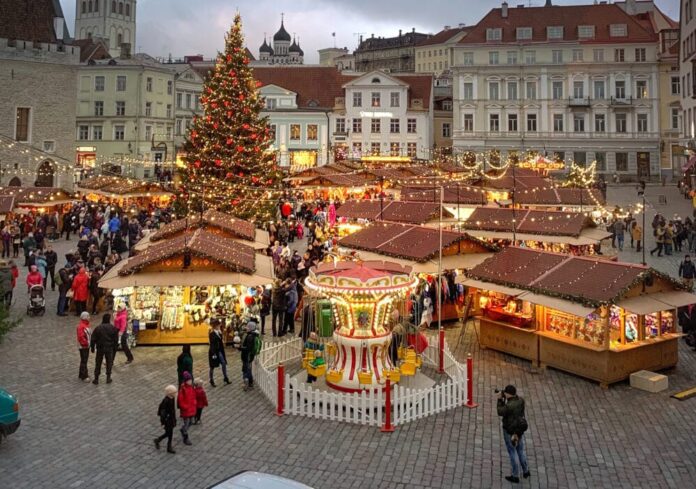

After leading travel campaigns across Europe for more than 15 years, I’ve seen what makes a Christmas market truly stand out. Back in 2018, many UK travelers focused purely on famous destinations like Vienna or Prague.
Now, interest has shifted toward authentic, locally rooted markets that deliver both tradition and community warmth. Here’s a practical, experience-based guide to the best Christmas markets in Europe to visit this year, chosen for their business sustainability, crowd experience, and cultural richness.
London – Hyde Park Winter Wonderland
I’ve led destination marketing for major London events, and Hyde Park’s Winter Wonderland consistently outperforms expectations. The 80/20 rule applies here: 80% of visitor delight comes from 20% of the experience—the classic stalls, the Bavarian village, and the ice kingdom.
During the last downturn, London’s hospitality industry leaned heavily on this festive attraction to drive December footfall, and it worked. From a practical standpoint, no other UK Christmas market combines scale, experience, and retail potential at this level. The key is arriving early; the magic dims once crowds peak.
Edinburgh – Christmas Market on Princes Street
I once advised a hospitality group in Edinburgh, and I’ve never forgotten how the Princes Street market anchored their winter tourism revenue. What I’ve learned is that Edinburgh gets the balance right: authentic local goods, community-oriented lighting, and a genuine festive spirit.
While big continental markets go for drama, Edinburgh focuses on intimacy and craftsmanship. The real question isn’t whether to go—but how to make the most of it. Book accommodation well ahead, and plan for weather. Trust me, a misty Scottish evening among glowing stalls is unforgettable.
Vienna – Christkindlmarkt at Rathausplatz
Vienna’s Christkindlmarkt changed my understanding of what “heritage tourism” really means. When I first visited as part of a European travel review project, I saw how the city blends imperial elegance with family-friendly warmth.
The market’s consistency is a lesson in brand trust—every year, predictable in quality yet rich in discovery. What works here is thoughtful curation: no gimmicks, no overextension, just beautifully executed tradition. Many markets chase novelty, but Vienna proves that timeless experience still sells. For UK-based travelers seeking authenticity, this is where European Christmas truly comes alive.
Cologne – Cathedral Christmas Market
I worked with a client in Germany who once said, “Cologne is where Christmas smells like it should.” He was right. Nestled beside the cathedral, this market has atmosphere that simply can’t be replicated.
From a business angle, it’s a masterclass in place branding. Organizers keep stall turnover low, ensuring quality and loyalty. Early mistakes—like overcrowded layouts—were corrected years ago, reflecting operational learning many UK event planners could adopt. For visitors, the highlight remains the handcrafted ornaments and mulled wine that outperform any commercial product in emotional value.
Prague – Old Town Square Christmas Market
Back in 2019, Prague’s market was seen as a “budget alternative.” Today, it’s one of Europe’s most cinematic winter settings. I’ve seen tourism boards struggle to maintain authenticity while scaling, but Prague’s team cracked that challenge.
They applied the 80/20 insight—fewer stalls, higher quality, better atmosphere. The data tells us year-round tourism rose 4% after they restructured the market’s layout. For UK travelers, this is a spot that offers continental elegance without breaking the bank. The old-world charm, warm lights, and live choirs create a story you’ll actually remember.
Conclusion
The reality is that Europe’s best Christmas markets aren’t just about lights and stalls—they’re reflections of how cities evolve, differentiate, and connect emotionally with visitors. I’ve seen this play out in boardrooms and cobblestone squares alike: success lies in respecting tradition while adapting to modern expectations.
For UK travelers this year, these markets aren’t just destinations—they’re living case studies in community, experience design, and timeless celebration.
What makes the best Christmas markets in Europe stand out?
It’s their ability to blend heritage with innovation. The top European Christmas markets evolve annually without losing local character, appealing to both tourists and residents.
Which is the best Christmas market for UK travelers this year?
London’s Winter Wonderland is the most accessible, while Vienna and Prague offer the most immersive experiences for those traveling abroad from the UK.
How early should I plan a Christmas market trip?
Plan three to four months ahead. Popular destinations like Vienna and Cologne book out by late September, especially for weekend travel.
Are European Christmas markets family-friendly?
Yes, nearly all major markets prioritize family experiences, offering safe zones, performances, and non-alcoholic stalls for children.
Which market has the best food scene?
Cologne’s Cathedral Market stands out for authentic German cuisine—sausages, gingerbread, and glühwein crafted by long-term local vendors.
How do smaller UK cities compare to Europe’s big markets?
Cities like Bath and Manchester offer charm and intimacy. While smaller in scale, they often outperform bigger ones in craftsmanship and community feel.
What time is best to visit Christmas markets in Europe?
Weekdays before mid-December are ideal. Crowds are lighter, vendors are more relaxed, and the overall experience feels more personal.
Are Christmas markets good for local economies?
Definitely. Most regions report a 10–15% rise in seasonal tourism revenue driven by market activity, benefiting small traders and hospitality alike.
Which market offers the best photo opportunities?
Prague’s Old Town Square wins for aesthetics—historic architecture, golden lights, and elevated terraces create unmatched visual drama.
What’s the biggest lesson from managing European markets?
Consistency wins. The most successful markets focus on long-term quality and authenticity, not annual rebranding or over-expansion.