
Keeping your home organized can feel challenging when you have limited storage space and too many belongings. From books and decorative items to kitchen supplies and household essentials, every room needs a practical way to store everyday items.
Without proper storage, even a spacious home can quickly look cluttered. Choosing the right shelving system can help you create a cleaner, more comfortable, and functional living environment.
Before choosing a shelving system, consider your available space, storage requirements, preferred design, and budget. Here are some types of shelving you can consider for different areas of your home.
Floating Shelves for Modern and Minimalist Interiors
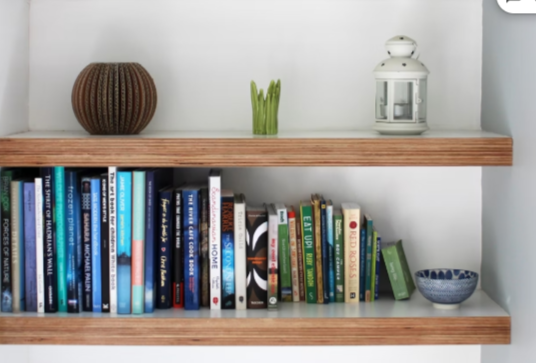
Floating shelving solutions offer a simple way to add storage without making a room look crowded. These shelves attach directly to the wall using hidden brackets or internal support systems. Since the mounting hardware remains out of sight, the shelves appear to float against the wall.
This design works particularly well in modern homes where homeowners prefer clean lines and minimal decoration. Floating shelves come in different materials, including solid wood, engineered wood, metal, and glass. You can choose a finish that matches your existing furniture or creates an attractive contrast.
Living rooms provide an excellent place for floating shelves. You can use them to display family photographs, small plants, decorative objects, books, and artwork. Placing a few shelves above a sofa or beside a television can create an attractive display without taking up floor space.
Built-In Shelves for Customized Home Storage
Built-in shelves provide a permanent storage option that fits directly into your home’s structure. Unlike movable units, these shelves often occupy wall recesses, alcoves, or specially designed sections of a room. They can also extend from floor to ceiling to provide maximum storage capacity.
One of the biggest advantages of built-in shelving is its ability to use unusual spaces. Areas around fireplaces, staircases, windows, and narrow wall sections can become useful storage zones. Instead of leaving these spaces empty, you can turn them into practical display or organization areas.
Home offices are a suitable location. Built-in shelves can hold books, files, office supplies, and equipment. You can customize the height and width of each section according to your storage requirements. This helps keep your workspace organized and reduces the need for additional furniture.
Freestanding Shelving Units for Flexible Organization
Freestanding shelving units provide a convenient storage option for homeowners who prefer flexibility. These units stand independently on the floor and do not always require permanent wall installation. You can move them between rooms or reposition them when your storage needs change.
They come in many designs, including open bookcases, metal racks, wooden shelves, and modular storage systems. Their different sizes and configurations make them suitable for almost every room.
Freestanding shelves are also useful in kitchens and dining areas. You can use them to organize cookware, food containers, small appliances, and pantry supplies. Metal shelving units may suit utility areas where durability and easy cleaning matter more than decorative appearance.
Corner Shelves for Small and Unused Spaces
Corner shelves help homeowners use areas that often remain empty. Many rooms have corners that cannot accommodate large furniture pieces. Installing shelves in these spaces creates additional storage without taking up valuable floor area.
These shelves come in triangular, curved, floating, and tiered designs. You can select a style based on the room’s shape, available wall space, and intended use.


