
Tungsten heavy alloy earns its reputation fast. The first time you run a tool across it, you notice the resistance almost immediately, it pushes back in ways mild steel simply doesn’t. But machinists who’ve spent real time with this material know something the newcomers don’t: the metal isn’t the problem. The setup is.
Get the setup right, and your tools last. Get it wrong, and you’re swapping inserts every few passes.
Use Carbide Inserts Rated for Hard Metals
This matters more than most people expect. Standard high-speed steel bits weren’t designed for the density and abrasiveness of tungsten heavy alloy. They wear out fast, and they don’t hold edge well enough to give you consistent cuts.
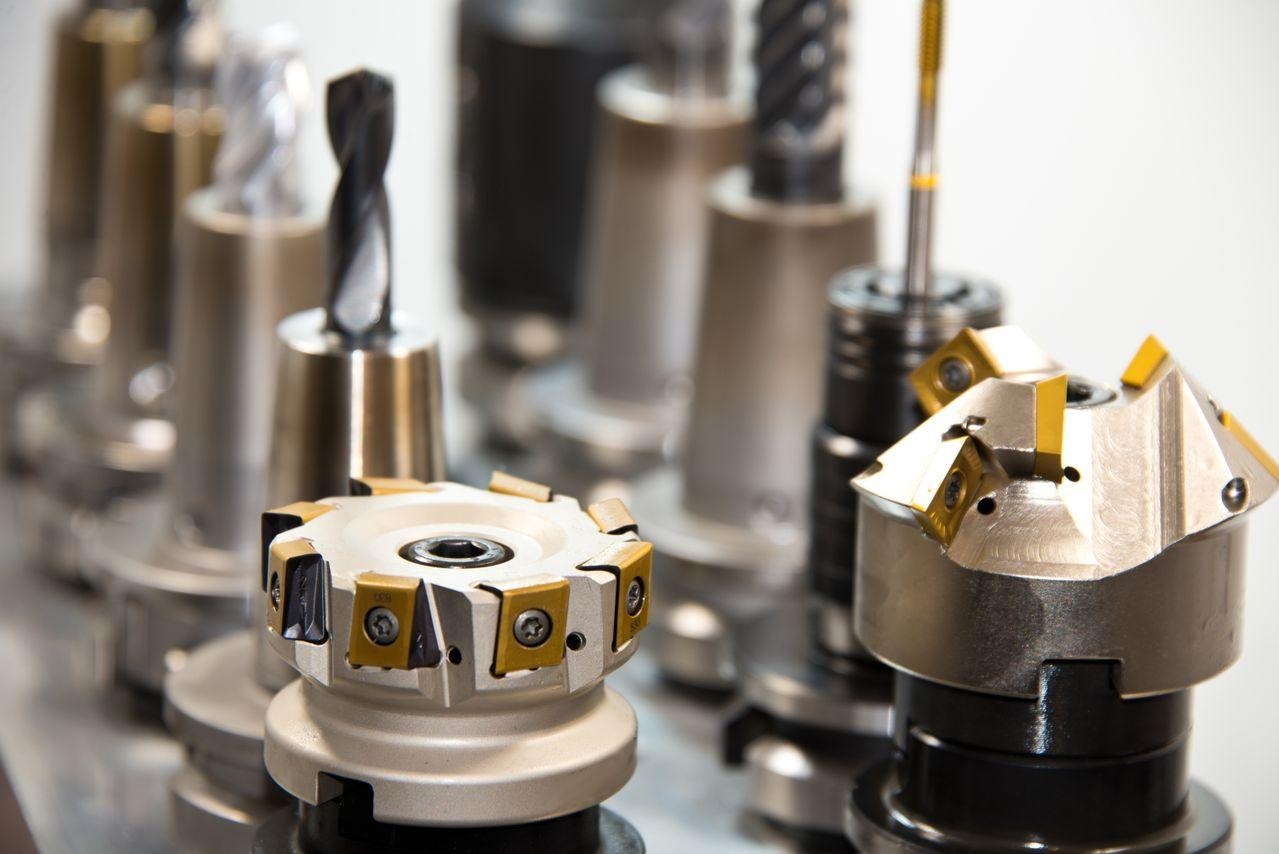
Carbide inserts rated for hard metals are the right choice here. They handle the hardness without deforming under heat, and they maintain cutting geometry far longer. When machining tungsten heavy alloy, that geometry retention makes the difference between a clean pass and a dragging, tearing cut that damages the workpiece and the tool simultaneously.
Spindle Speed Down, Feed Rate Up
Most machinists set speeds the same way they do for steel, then wonder why they’re burning through inserts. Tungsten heavy alloy needs a lower spindle speed than you’d expect, but a noticeably higher feed rate to compensate.
This pairing keeps the cutting edge from dwelling too long in one spot. Heat builds when the tool lingers. Feed rate moves the tool through the cut before heat concentration reaches a damaging level.
Flood Coolant Prevents Work Hardening
Work hardening is a real risk with this material. When tungsten heavy alloy heats up from friction and then cools without being cut, the surface hardens. The next pass then meets a harder surface than the one before it, and the cycle compounds quickly.
Flood coolant breaks that cycle. Continuous coolant flow keeps the cutting zone temperature stable, which keeps the material from hardening between passes. Misting doesn’t do enough here. Full flood, constant flow, every pass.
Roughing Cuts Need Conventional Milling
Climb milling has its place, but roughing on tungsten heavy alloy isn’t it. The material’s density means climb milling during rough passes puts enormous lateral pressure on the insert, pressure that chips edges and shortens tool life fast.
Conventional milling during roughing keeps the chip load manageable and the cutting forces predictable. Once you’re into finish passes on a stable, machined surface, you can reassess. For roughing, stick to conventional cuts and spare yourself the insert losses.
Leave 0.005 Inches for the Finish Pass
After roughing, the temptation is to push for final dimensions immediately. Resist that. Leaving approximately 0.005 inches of material for a dedicated finish pass gives the cutting tool a clean, controlled cut on a surface that’s already been shaped.
The finish pass runs with less cutting pressure, produces better surface quality, and lets you hold tight tolerances reliably. Trying to hit final dimensions on a rough pass with this material is asking for dimensional drift. A small finish allowance costs almost nothing in time and saves plenty in rework.